A young person asks whether to pursue a degree or learn a skill. Too often, the answer arrives as a slogan: certificates are useless, or education is the only reliable route to success. Both responses avoid the difficult work of understanding the person's circumstances.
A degree and a skill are not opposing possessions. A worthwhile education should develop abilities, while practical work should create opportunities for further learning. The real question is what combination of knowledge, practice and recognised credentials will help someone enter the work they want to do.
That question produces better advice than a competition between the graduate with no job and the entrepreneur who left school early.
Ask what the work actually requires
Different occupations have different entry routes. Some require formal qualifications and supervised professional preparation. Others place more emphasis on demonstrated work, experience or specific technical competence. A person cannot make a sensible choice without understanding those requirements.
Consider two hypothetical applicants. One wants to become a professional whose field has mandatory qualifications. Another wants to offer video-editing services. They may both benefit from further study, but the immediate evidence expected of them will differ. A general speech about “following your passion” does little to resolve either decision.
Start with the work itself. Read credible job descriptions, speak with people doing the work and examine the training route. Ask what beginners are trusted to do, how their performance is judged and which gaps most often prevent them from progressing.
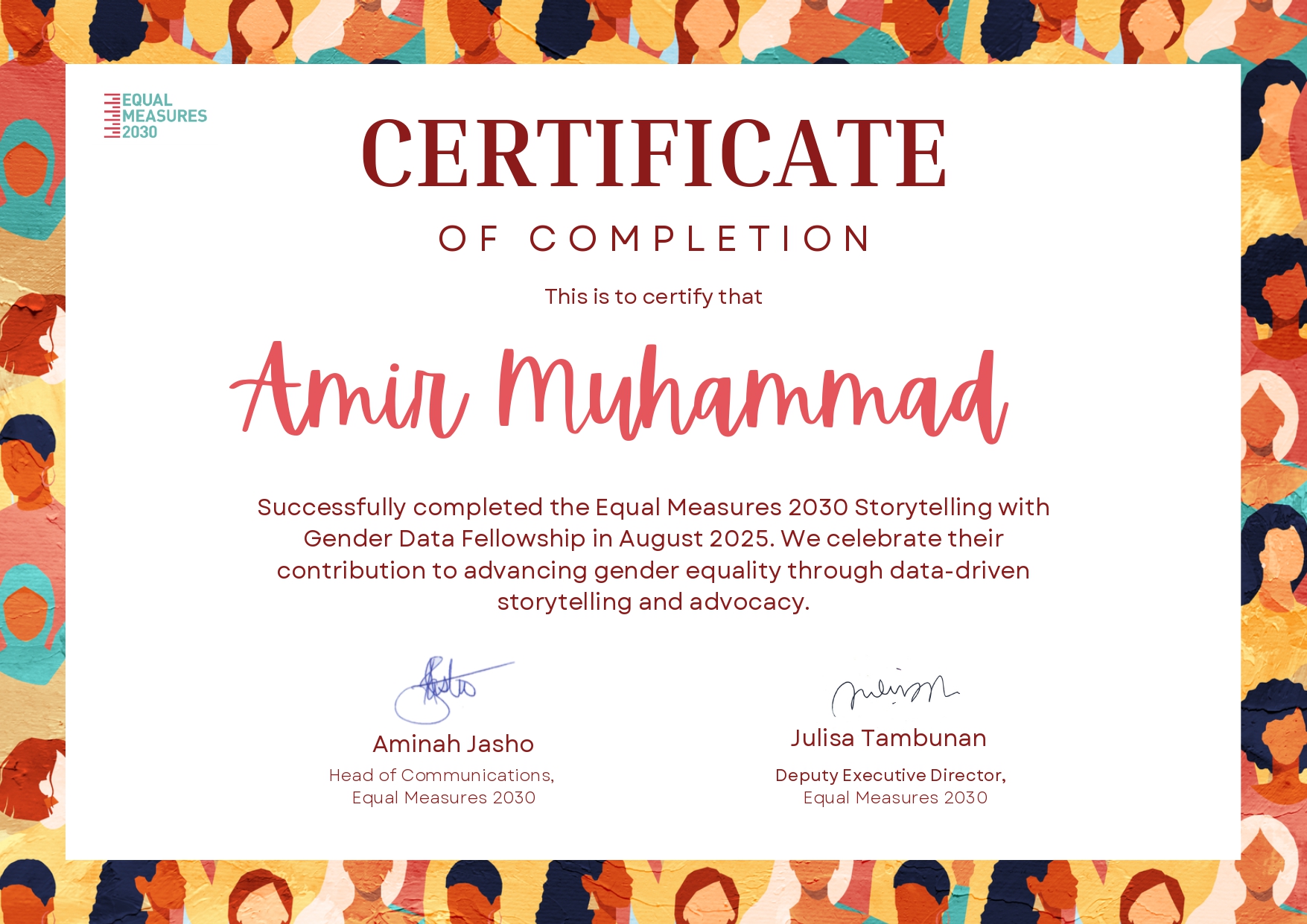
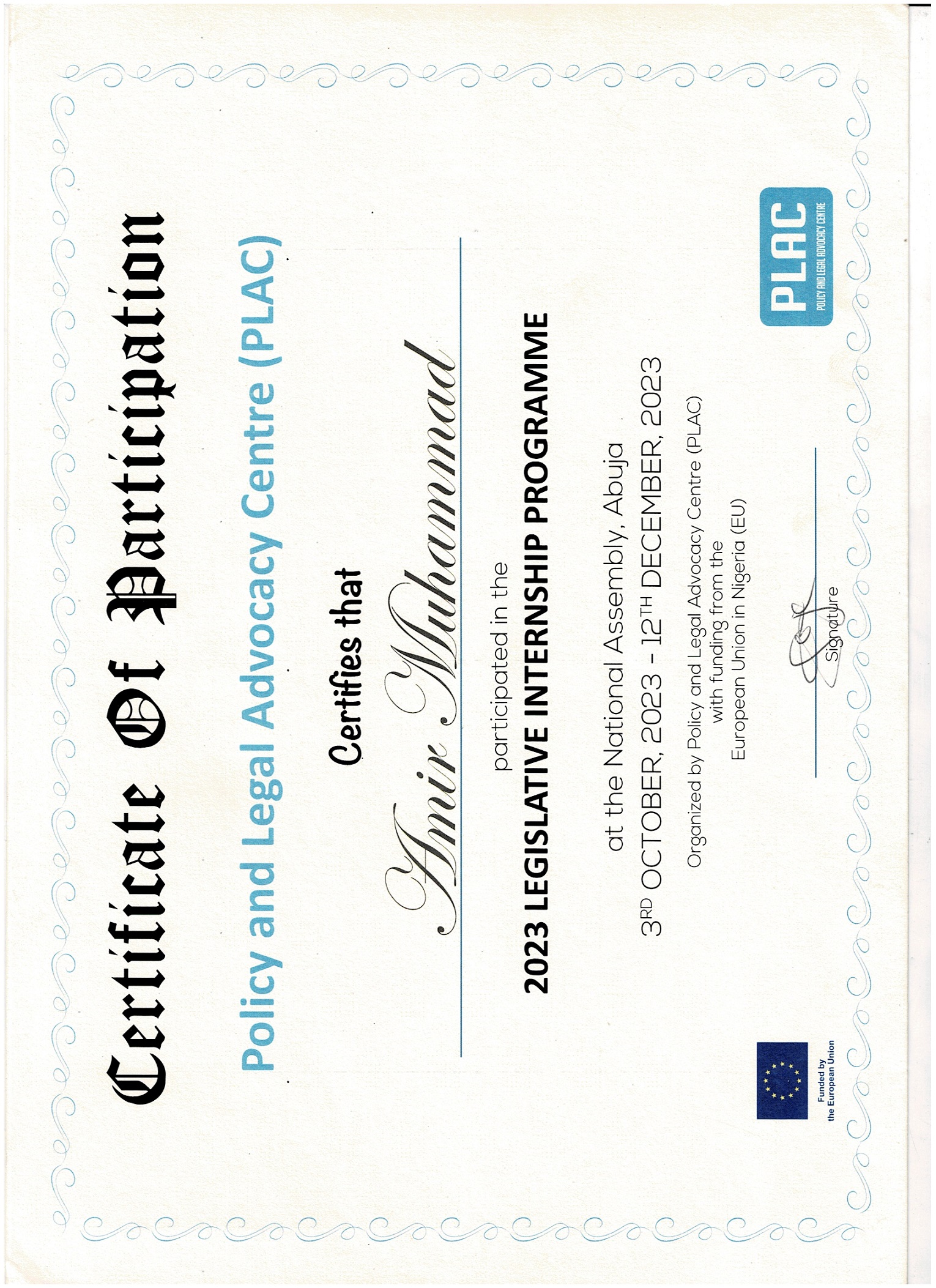
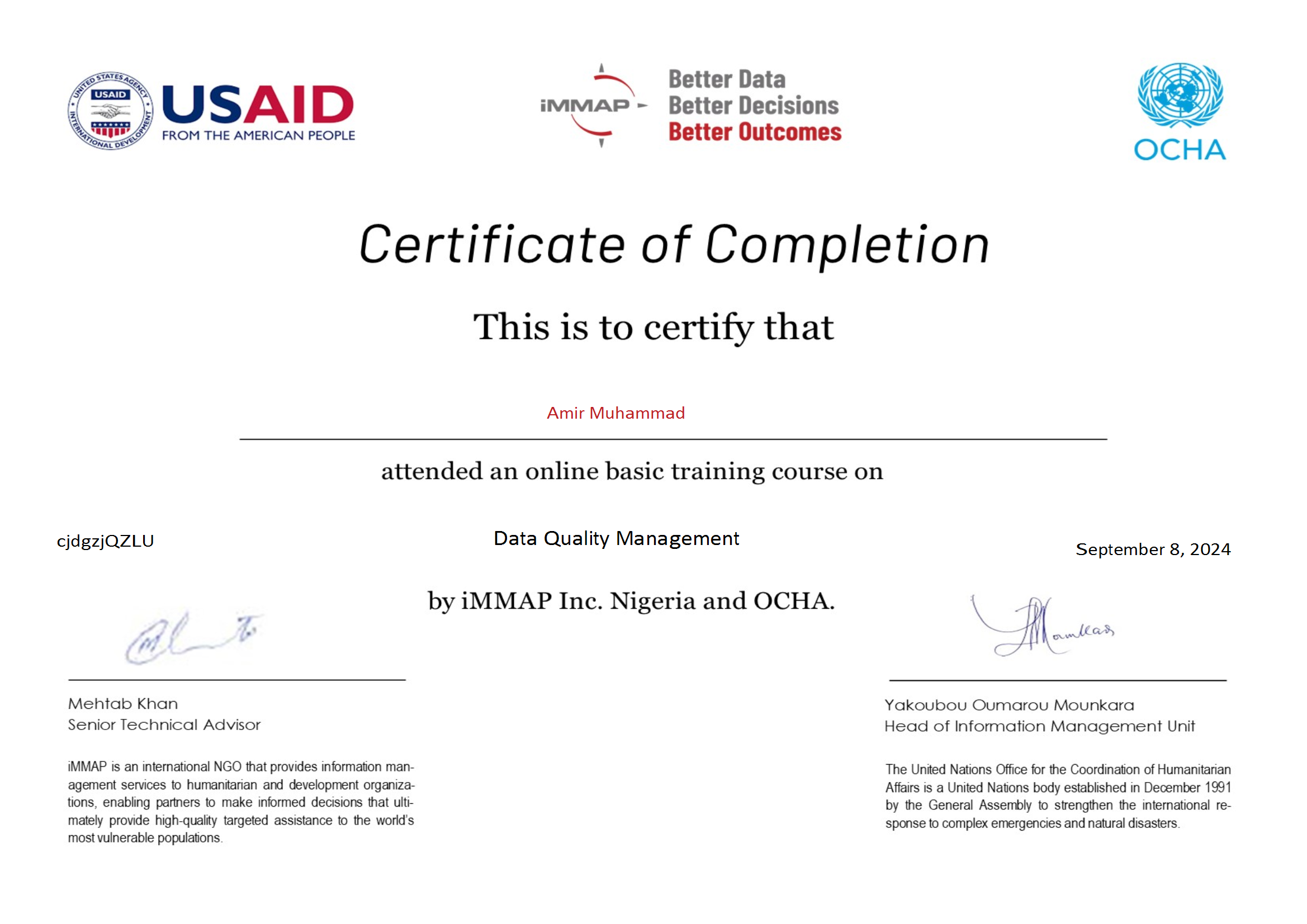
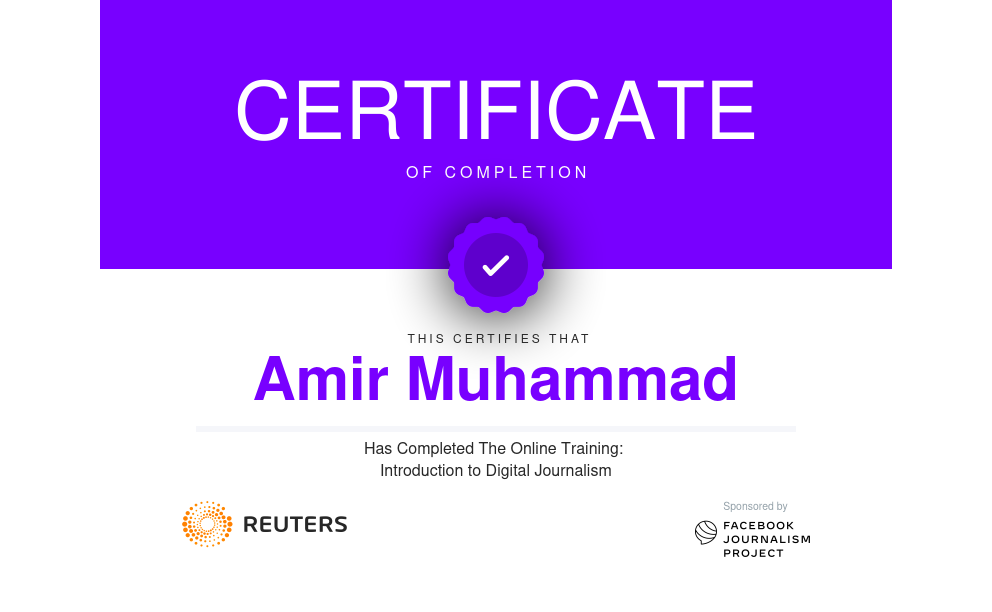
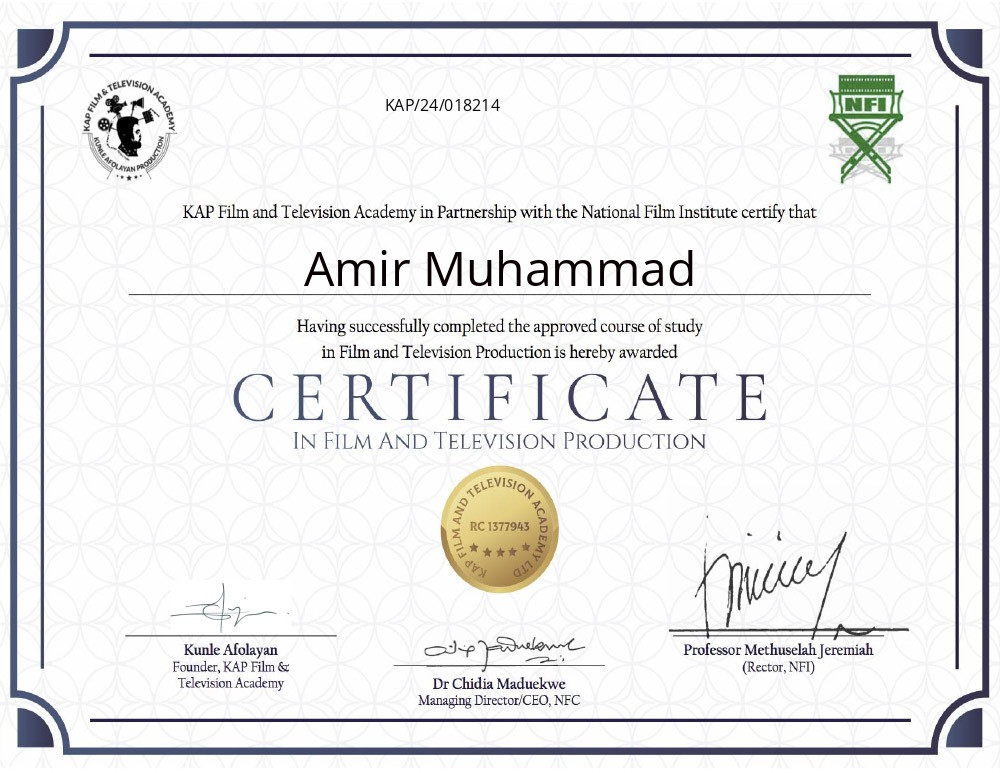
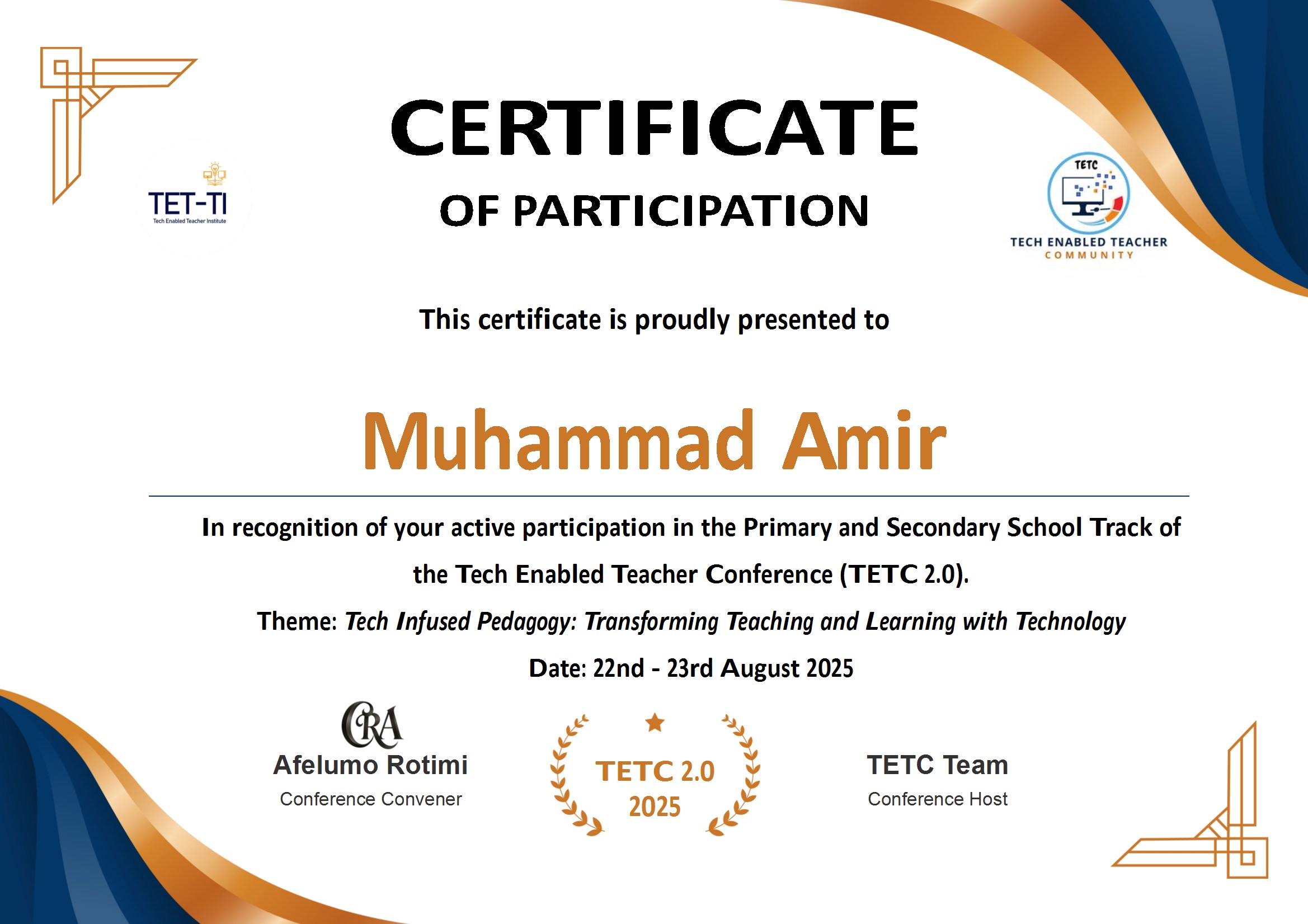
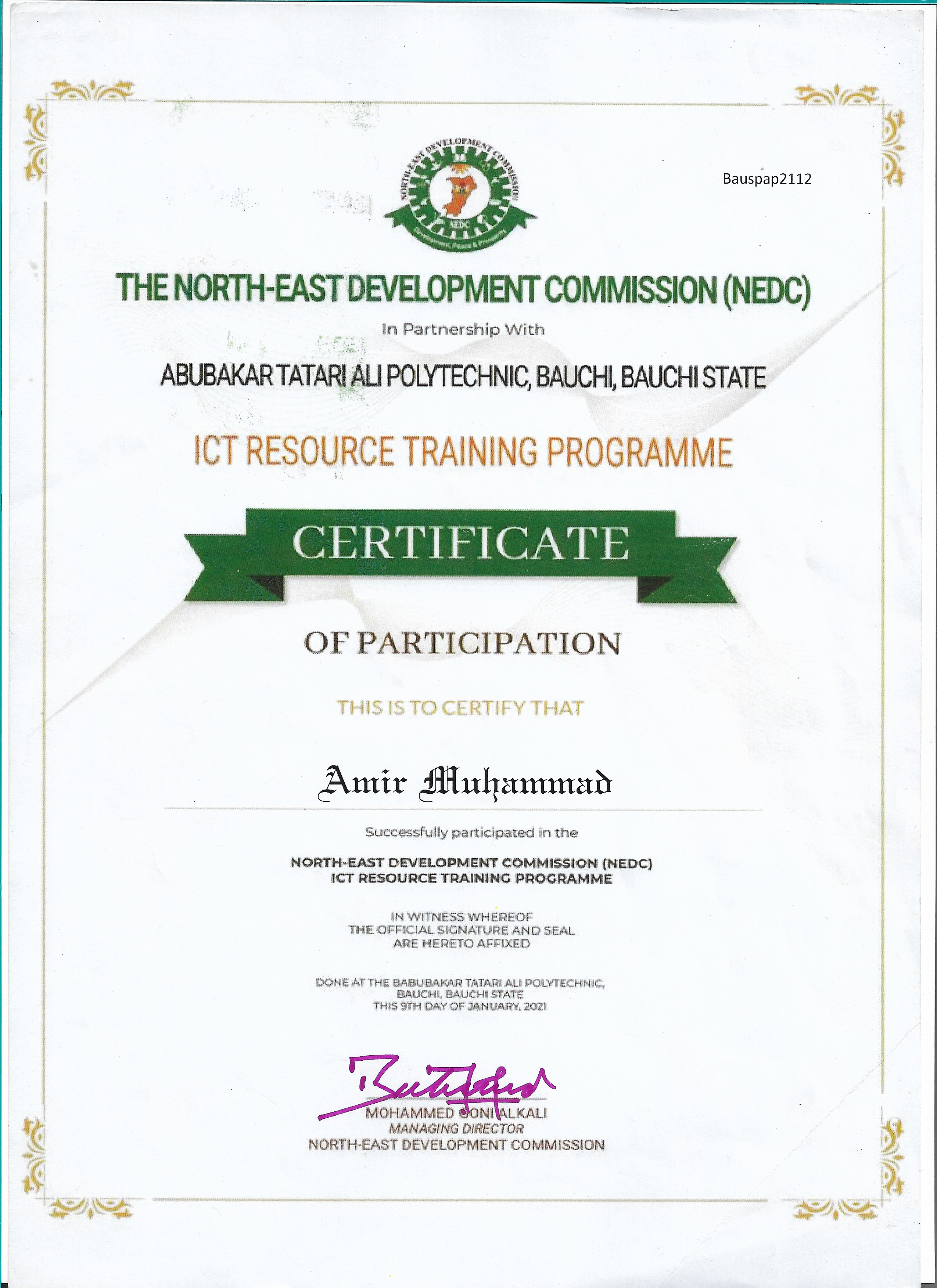
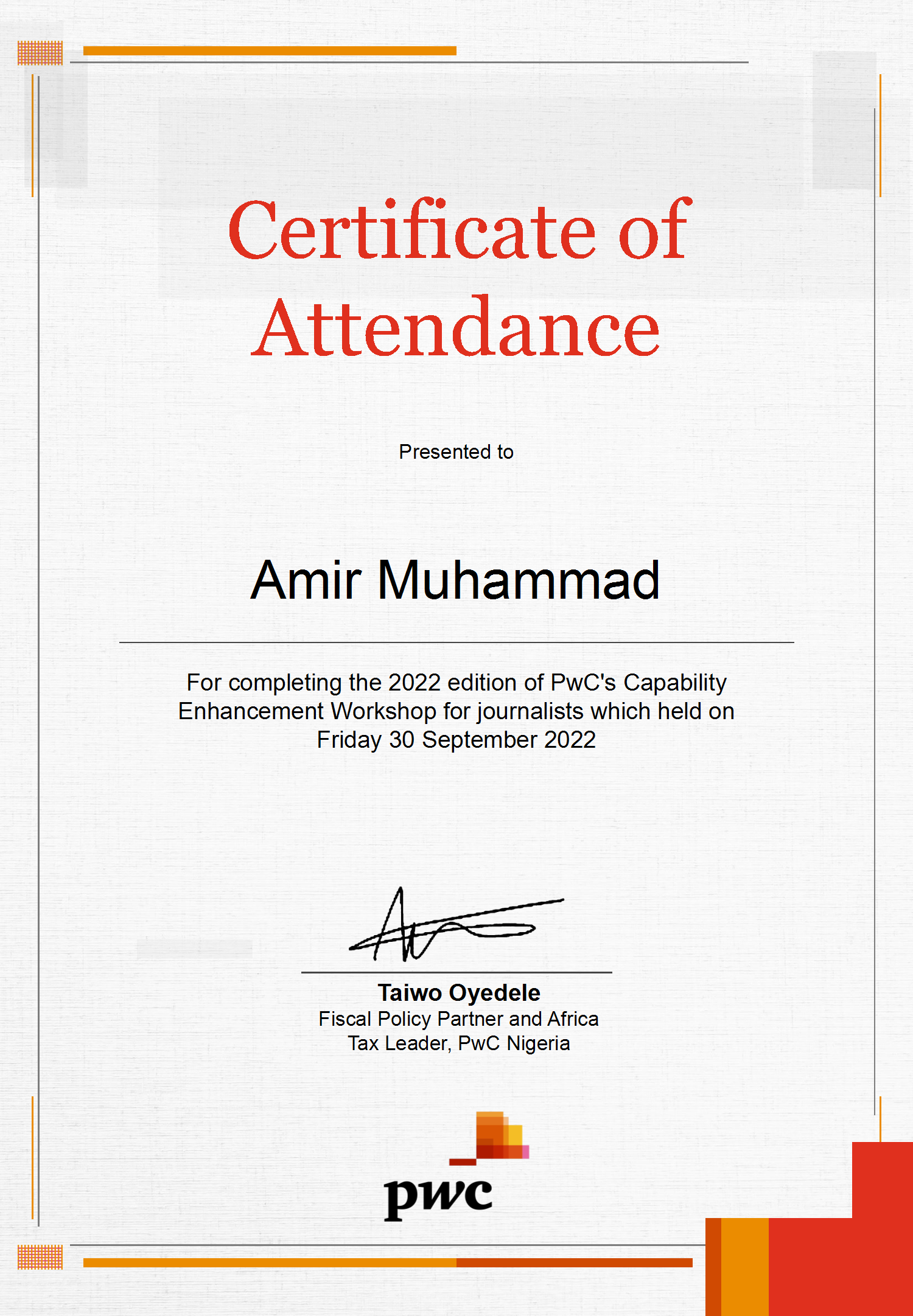
A certificate should be connected to evidence
For a student already pursuing a degree, the useful response is to make learning visible. An English student might demonstrate research, editing and clear explanation. An information-management student might organise a small dataset, document the process and explain its limitations.
The example should be honest about its origin. Coursework, a practice project and paid client work are different kinds of evidence. Each can show something valuable without being presented as the other.
Practical training also needs this test. Completing a course does not automatically establish that someone can perform the task independently, respond to an unfamiliar problem or deliver work to a reasonable standard. The same questions we ask of universities should apply to short courses and training centres.
Employability also depends on the opportunity available
The International Labour Organization points out that skills policy often concentrates on supplying skills while giving less attention to demand and to how skills are used at work. [1] This matters when public discussion turns every employment difficulty into an individual failure.
A person can improve their preparation and still face a limited market, poor infrastructure or employers unable to expand. Advising that person to collect another certificate may postpone the harder question of where the work will come from.
This does not remove personal responsibility. It puts it in proportion. Young people should build competence and seek information, while institutions and policymakers should address the conditions in which that competence can become useful employment.
Make the next decision smaller and clearer
Before committing to a programme, compare its cost, teaching quality, practical work, entry requirements and connection to your intended occupation. Ask what you should be able to do when it ends. If the answer consists only of the certificate's title, investigate further.
For someone already studying, the next step may be a carefully chosen placement or a project that exposes a weakness. For someone with practical experience, it may be formal study that provides deeper knowledge or opens a professional route. Neither decision needs to become a judgment against everybody who chose differently.
I would rather tell a young person to build a convincing connection between learning and work than ask them to defend a camp in the degree-versus-skills argument. The connection is what an employer, client or community eventually needs to see.



0 Comments